Bringing the GenArt Club website back
The Generative Artists Club's website went offline in 2026. With the club's agreement, I rebuilt it from the Internet Archive, from 82 members to almost 300.

The Generative Artists Club started in 2019 as a Parisian salon and grew into a community of generative artists from all over the world. For years its website was the public face of the club: what it is about, and a directory pointing to each member’s work.
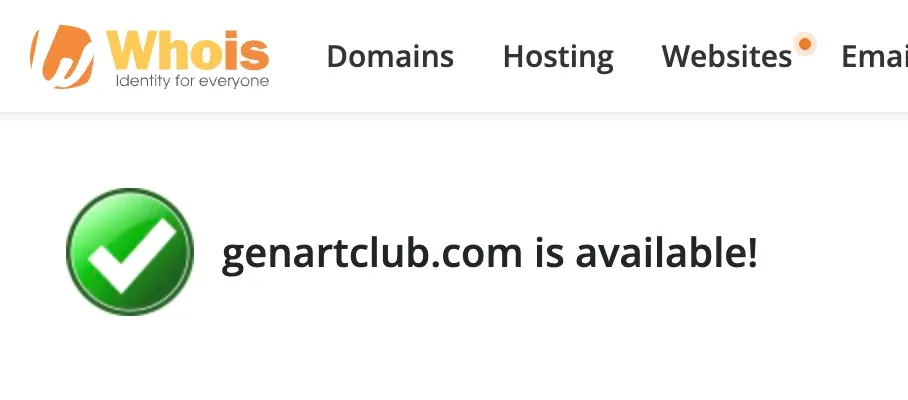
In August I went looking for it and could not find it. The site was gone, and the domain had lapsed: genartclub.com was for sale to anyone.
Back in one night
I asked in the club’s Slack. Andrew Strauss, who had built and kept the site until then, had shut it down, and was happy for someone to bring it back. The idea was simple: buy the domain before someone else did, rebuild the site from its last capture on the Internet Archive, and make it open source so that it no longer depends on one person.
I registered the domain that evening. A few hours later, after midnight, the site was back: same text, same artists, new code. A static Astro site, with plain CSS, hosted for free. Nothing to update and nothing to pay, so nothing that can quietly take it offline again.
The first pull requests from members arrived within minutes.
From 82 members to almost 300
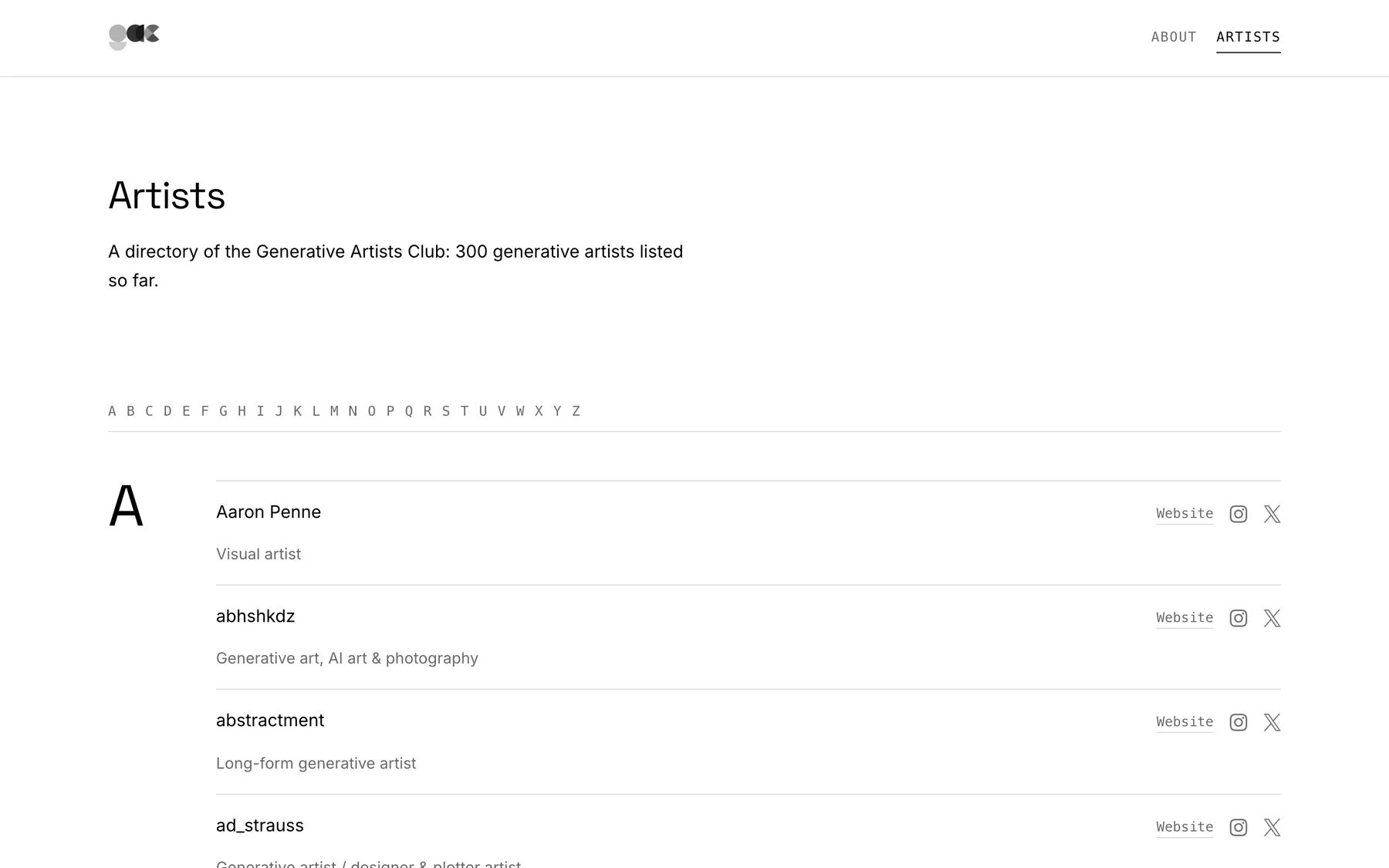
The archived site listed 82 artists, far fewer than the club. Over the years, members had filled in a shared spreadsheet; I asked the club whether I could turn it into pages. 24 votes for, 1 against, and a few good remarks: public links only, no email addresses, no locations, and a way for anyone to be corrected or removed.
The import first went out as a preview, so that everyone could check their own page before it was published. Two days later the directory had 298 artists.
One file per artist
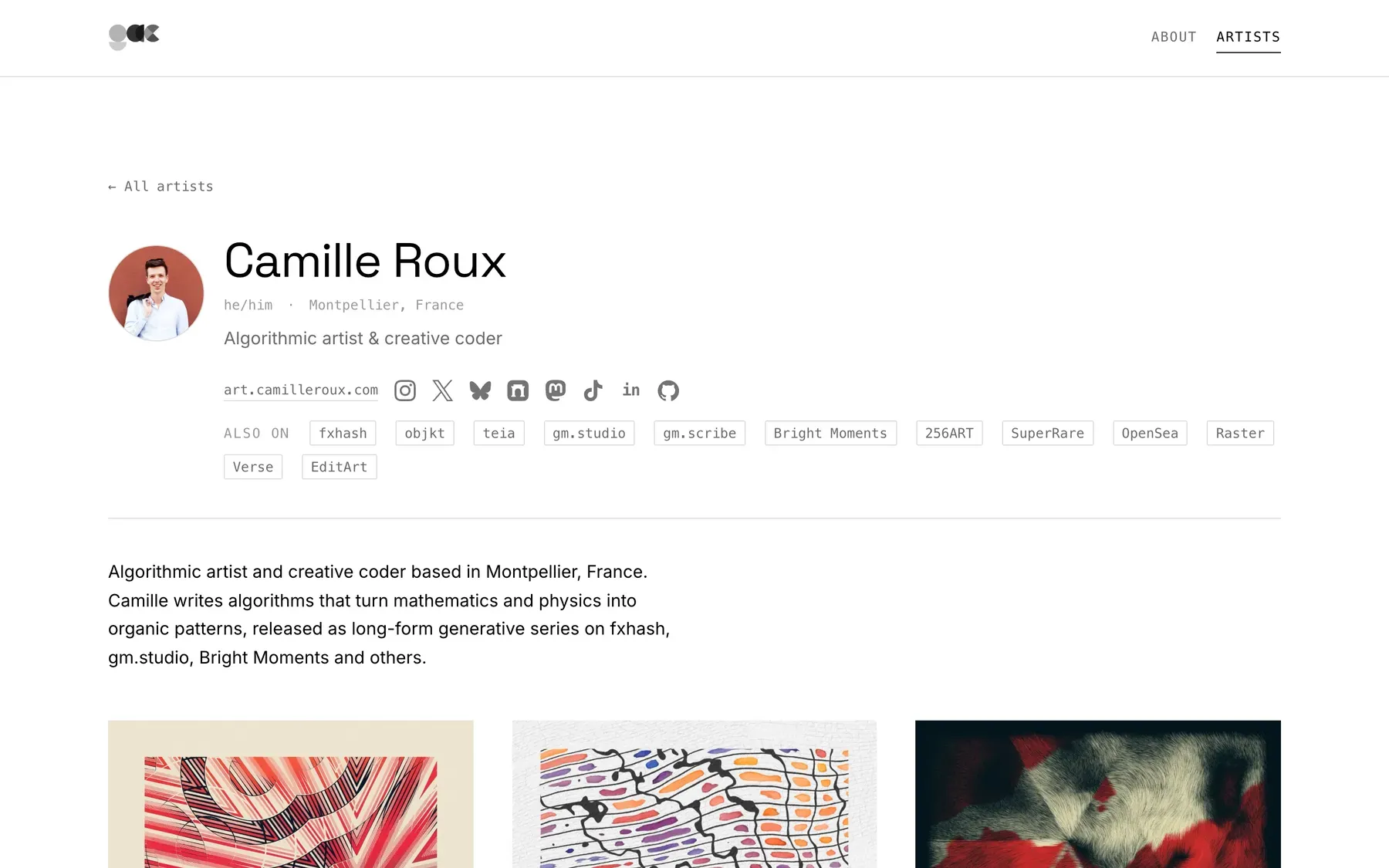
Each artist is a single Markdown file: a name, a tagline, a website, the platforms where the work is, an optional short bio and up to ten artworks, which also feed the strip on the home page. A field that does not exist fails the build instead of being dropped, so a typo is caught rather than quietly costing someone a link.
You do not need to know Git to change your page. You can edit the file in the browser on GitHub, or fill in a form that does it for you. Members have since added their bios, avatars and artworks this way.
What it needs now
Ten days later, Google had indexed the site again. A directory is only as visible as its members make it: if you are in it, link to your page from your own site and your bio. Each of those links brings readers to all the others.
If you are a member and something is wrong or missing, the repository explains how to change it in a few minutes.
genartclub.comGenerative Artists ClubThe directory of the club: almost 300 generative artists, one page each, with links to their work.Read also


Newsletter
The next texts, by email.
Day to day
Work in progress and shorter notes.
Keep going:the seriesother textscommissions