Is Contemporary Art Really Contemporary?
An algorithmic artist on the contemporary art world: why "contemporary art" has become a style, and where the art actually being made today is found.
Translated from the French. The original, L’art contemporain est-il vraiment contemporain ? Ma vision d’artiste génératif, is on my personal site.
I want to share a few thoughts on contemporary art. It is a subject that would have bored me a few years ago, and one that has held my attention ever since I fell into algorithmic art.
For anyone finding me for the first time: I have been making algorithmic art for four years now, which is the practice of making visual work with code. I have had the chance to show in galleries around the world, and the whole thing opened my eyes to visual art in general, a field I had no background in whatsoever.
But exploring the contemporary art world alongside it, I ran into something that did not match what I expected. It is that disappointment, and what I found instead, that I want to write about.
From algorithmic art to disappointment
I have been making algorithmic art since 2021: work made with code in the browser, usually with no external image and no API. What fascinates me is that under the same technical constraints, someone always makes something nobody had imagined. That constant inventiveness is what gave me an appetite for visual art in general.
Walking through contemporary art museums and galleries in Montpellier, Lisbon and Paris, I was frankly disappointed. What I mostly found was painting that, recent as it was, could have been made twenty years ago. Digital art, AI, genuinely present-day forms of expression? Nearly absent, and sometimes explicitly ruled out.
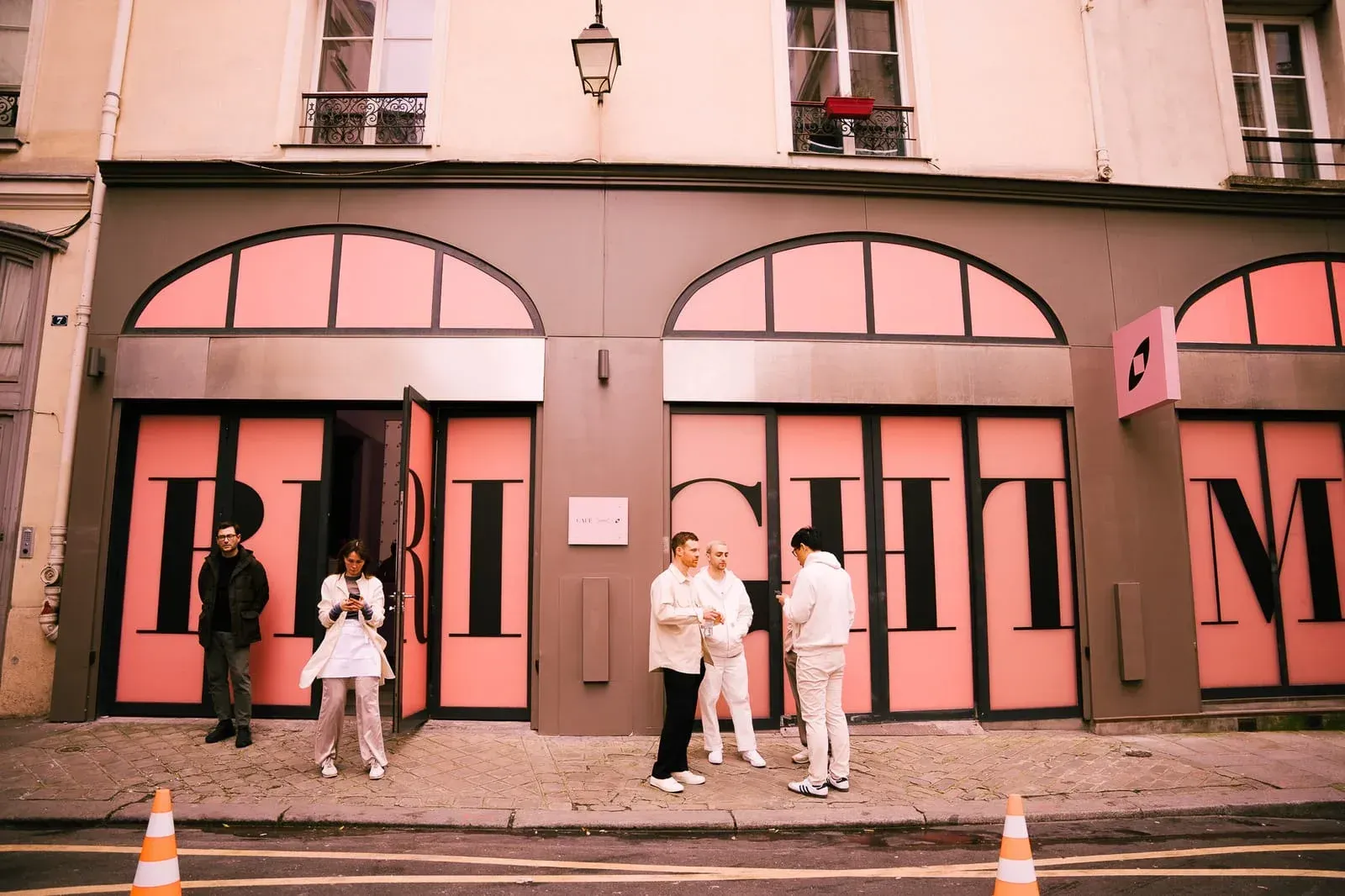
The paradox of “contemporary” art
I came to think that contemporary art may no longer describe the art being made today. It has become a fixed style, much as modern art carries a name that stopped fitting a long time ago. We are missing a word for the art that is actually of now, the art that uses the technology of now.
The market is conservative: an older audience, conversations that keep circling back to investment, and galleries that, out of financial caution, keep showing the same artists who sell.
Sales are heavily oriented around what a piece might fetch on resale. Which is, ironically, exactly the cliché held against the NFT world I know well. I find that same speculative reflex in the “traditional” contemporary art world.
The result is a closed loop in which innovation and artistic diversity are traded away for commercial safety.
What I take from it
- Contemporary art is not the art of today. Whatever the name suggests, it has become a style in its own right, and it accounts for only a small part of what is actually being made.
- Digital art is under-represented. For all its weight in current practice, digital art, whether generative, AI or anything else, is still largely missing from the traditional circuits.
- There is a gap between what is being made and what the market carries. The official art world seems locked into commercial logics that reward repetition over invention.
- Look beyond the traditional circuits. To find the art actually being made today, you usually have to look elsewhere: smaller galleries, associations, social media, the open internet.
- Some scenes innovate exceptionally well. Communities like generative art show a creativity and a capacity for renewal that keeps producing genuinely new forms.