Generative Art in France: Some Forty Artists to Know
From Vera Molnár to fxhash: some forty French generative and algorithmic artists to know, and the ecosystem around them.
I am a generative artist based in Montpellier, and I have been releasing series of algorithmic art since 2021. It is a world I am passionate about: I discovered it through other artists’ work, and ever since, I have loved watching all the creativity that comes out of this community. Over time, I noticed how many French artists there are in it, and how far their work travels, collected and shown from Art Blocks to LACMA and Art Basel.
Yet in France the discipline is rarely highlighted: you almost never see it in museums or galleries. It is under-represented, and I believe it is essential to shine a light on it. A discipline does not exist without its artists, so here, in no particular order, are some forty generative and algorithmic artists to know in France, and the ecosystem around them.
Generative art, or algorithmic art, is art in which the artist designs a system, usually a program, that produces the work with an element of chance: each run gives a unique variation.
A story that starts in Paris
In 1959, in Paris, Vera Molnár applied by hand a set of rules she called her “imaginary machine”; she only got access to a computer in 1968, and at 99 she still released Themes and Variations on Art Blocks (2023, with Martin Grasser). Also in 1959, Pierre Barbaud had an “algorithmic music” computed on Bull machines performed at the Musée Rodin. Around 1960, François Morellet distributed 40,000 black and white squares according to the even and odd digits of a telephone directory: generative art without a computer. In 1971, Manfred Mohr, then living in Paris, showed at the Musée d’Art moderne de la Ville de Paris what is described as the first solo exhibition of computer-generated art in a museum. The Centre Pompidou told this story in “Coder le monde” (2018), then in the retrospective “Vera Molnár. Parler à l’œil” (2024).

The artists
1Abstract, from Montpellier like me, describes themself as a “Researcher and creator of #generativeart”: series in R and JavaScript (p5.js), on fxhash from January 2022, then on 256ART with Decomposition, which displaces the pixels of 3D cuboids. Linktree
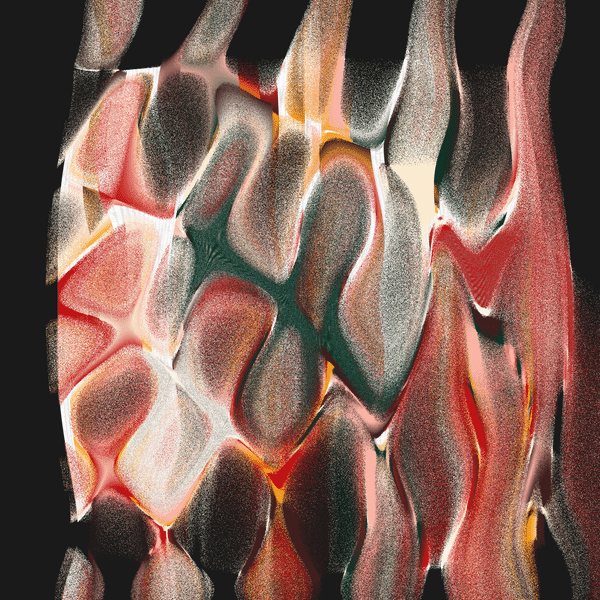
Akira Ishi, who came to art through music, writes code “to map what it is to be human”. His generative series are mostly inscribed on Bitcoin: Four Seasons (2024), Technosignatures (2025), then The Ossuary (2026), 666 faces that move toward their end block by block. akiraishi.com
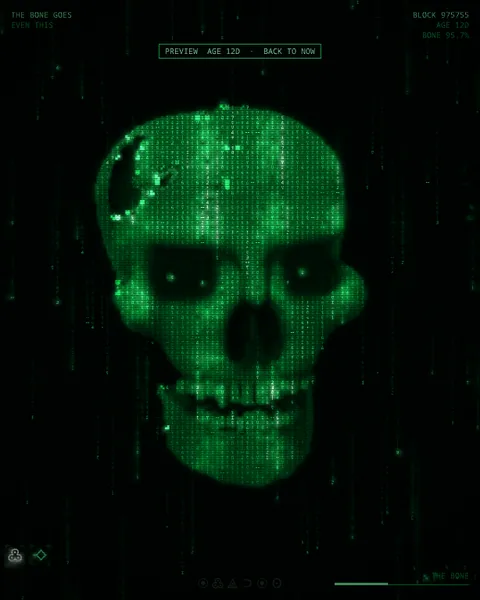
Alexis André, an artist and researcher based in Paris, released 720 Minutes on Art Blocks Curated in 2021, then Friendship Bracelets (2022, nearly 39,000 editions), and Navette (2023) with TRAME. alexisandre.com
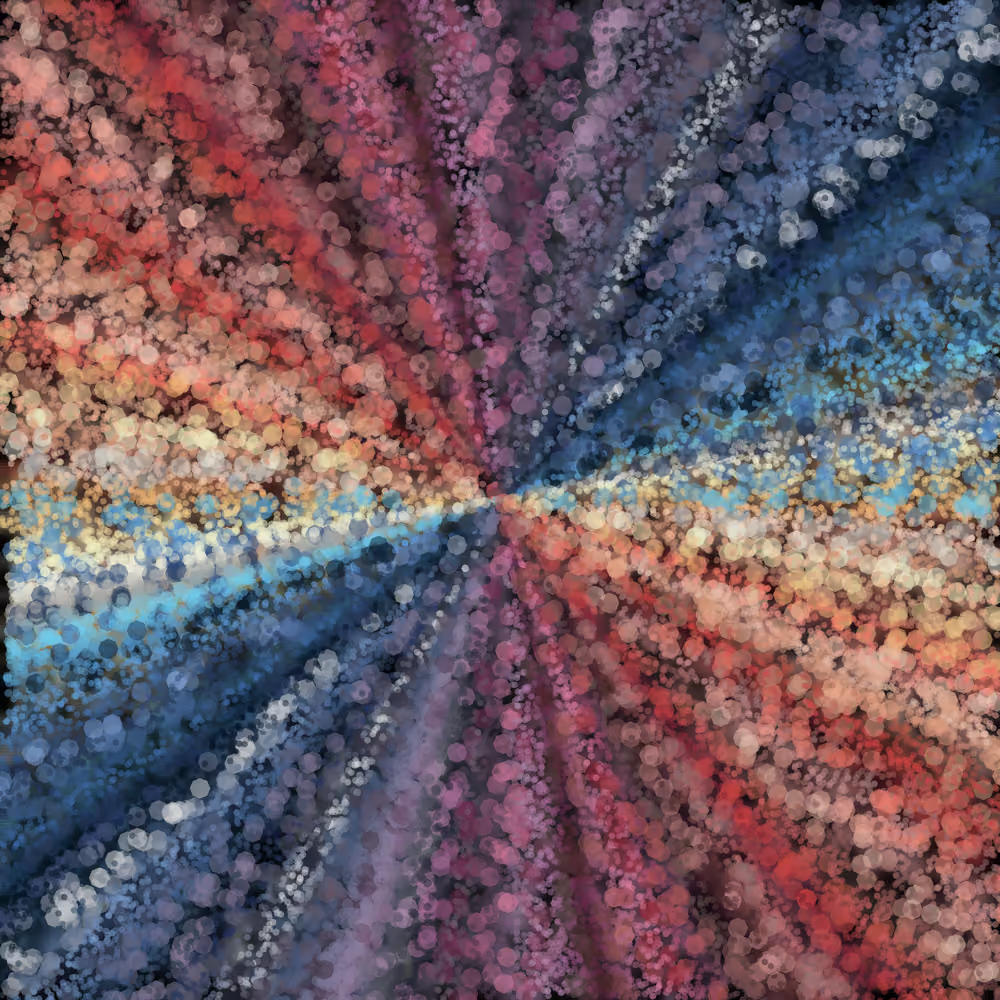
Anne-Sarah Le Meur has programmed abstract 3D images since 1990; since the 2000s she has computed them in real time, now with her own software, Obscur. ZKM showed Omni-Vermille in 2020, and Galerie Charlot gave her the solo show Nombre d’Ombre in 2026. Website
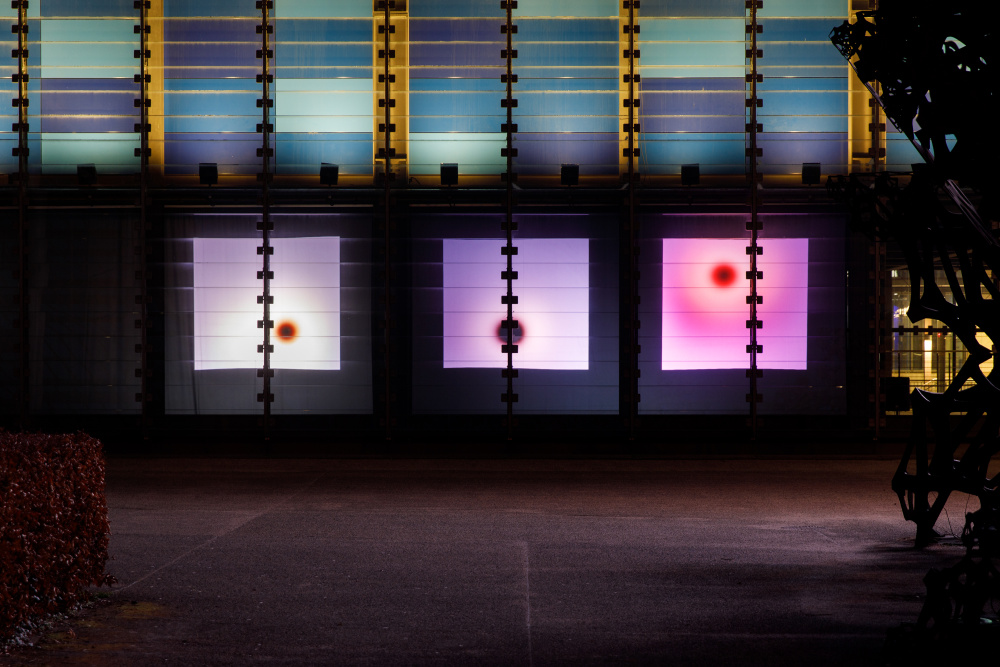
Antoine Schmitt has used programming as his material for more than thirty years. Nabaz’mob, an opera for a hundred connected rabbits, premiered at the Centre Pompidou in 2006; Galerie Charlot gave him the solo show Être Machine in 2026. antoineschmitt.com
Antonio Werli, a “French visual artist”, wrote series such as Thébaïde, Ombromanie and Chiaroscuro in p5.js (fxhash, 2023), then released Imbroglio on bootloader in 2025. antoniowerli.net

Aqw_Zert describes themself as a “generative coder”. Atypical Lands (fxhash, 2022) draws maps of imaginary worlds that fit together; Aqw_Zert also wrote one of the BRIDGE styles. Website

Catherine B describes herself as a “Computer artist”: she codes geometric compositions and draws them with a pen plotter (such as Moiré and Mismatch, 2024). Luz came out on fxhash in November 2023. catherineb.xyz

ciphrd (Baptiste Crespy) founded fxhash in 2021. His work deals with artificial life and cellular automata, as in Genomes (2023), with Alexander Mordvintsev. ciphrd.com

Claire Malrieux makes generative drawings. Climat Général (2017), programmed with Sébastien Courvoisier, changes every day with real weather data. claire-malrieux.com
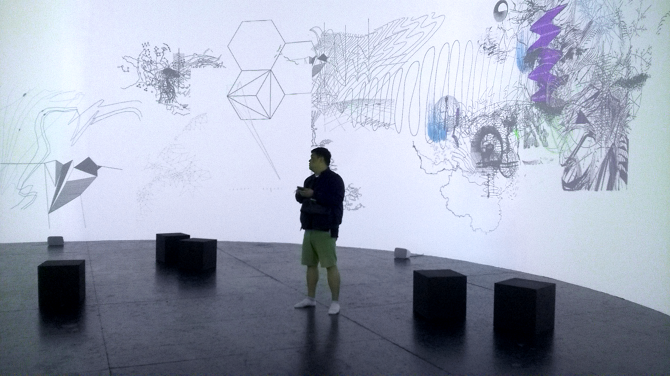
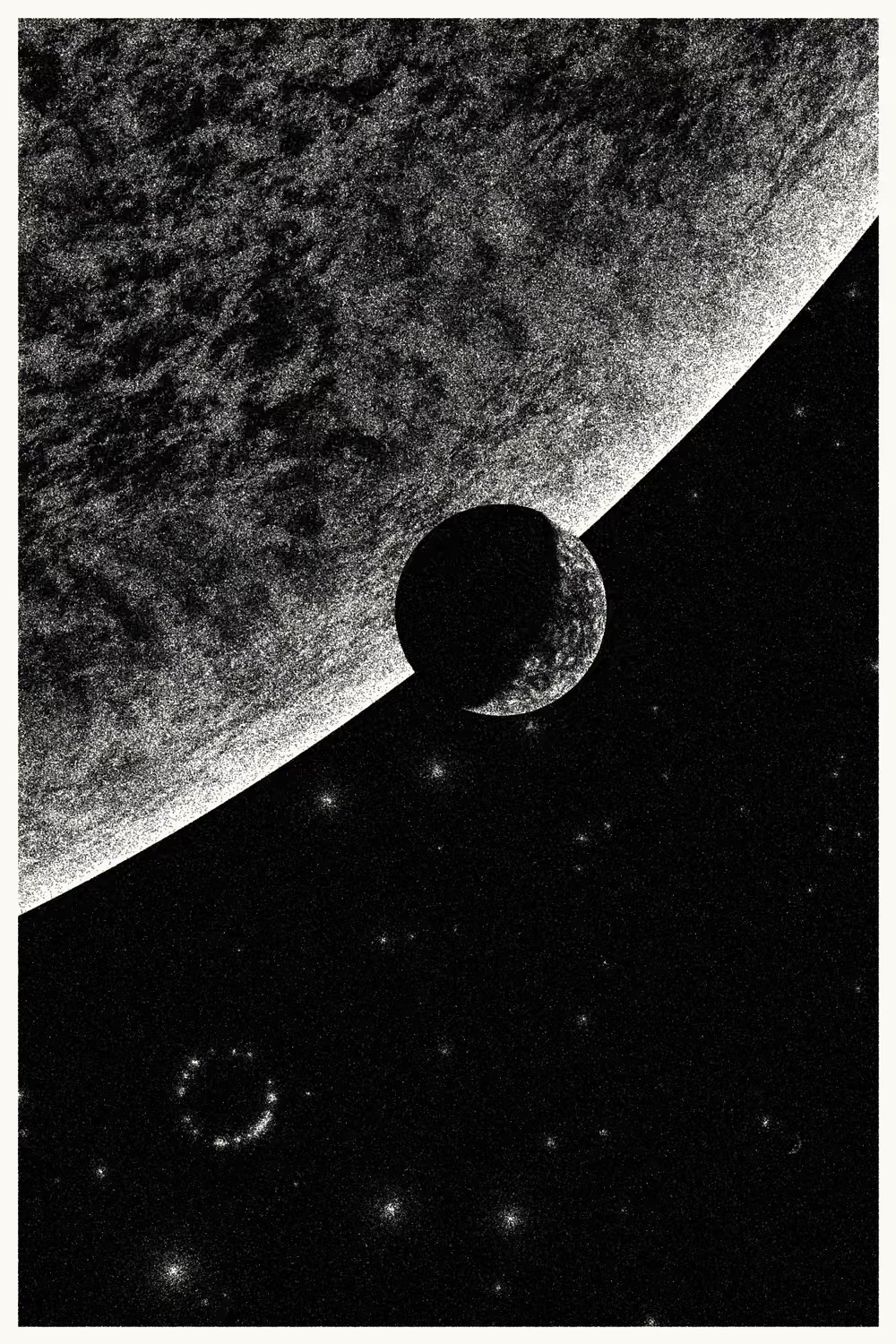
DisruptedStar describes himself as a “French Algorithmic Art Creator and Astrophysicist”. After series on fxhash, he released Voyager on Art Blocks in 2023: 300 editions of planets and moons. Website
Etienne Jacob codes perfectly looping GIFs and shares his tutorials and code. Colossal has featured his work since 2018. bleuje.com
Ferdinand Dervieux, who came from installation, video games and VR, has made long-form generative art his medium; his series, listed on Verse, often deal with emotions. ferdinanddervieux.com

Florian Zumbrunn calls himself an “algorithmic painter”: his images start as code, are printed, then finished by hand in pastel. In 2024, Hennessy invited him to reinterpret the X.O decanter. He was a guest on my generative art column on NFT Morning five times, including the first one and one on the artist’s life (in French, 2023). florianzumbrunn.com
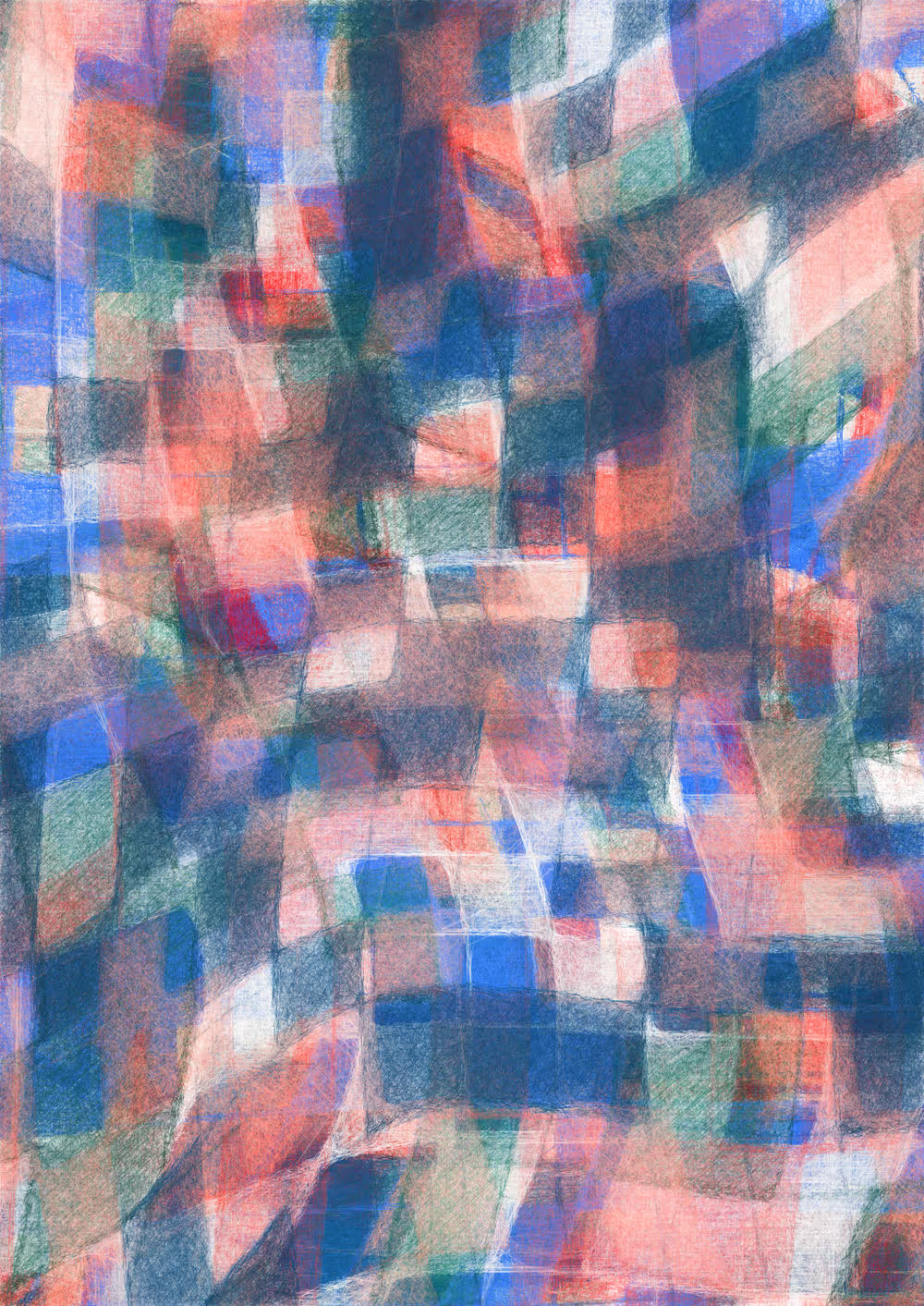
ge1doot (Gérard Ferrandez) has been coding since the 8-bit home computer era. Ignition (January 2021) was the ninth project launched on Art Blocks. CodePen
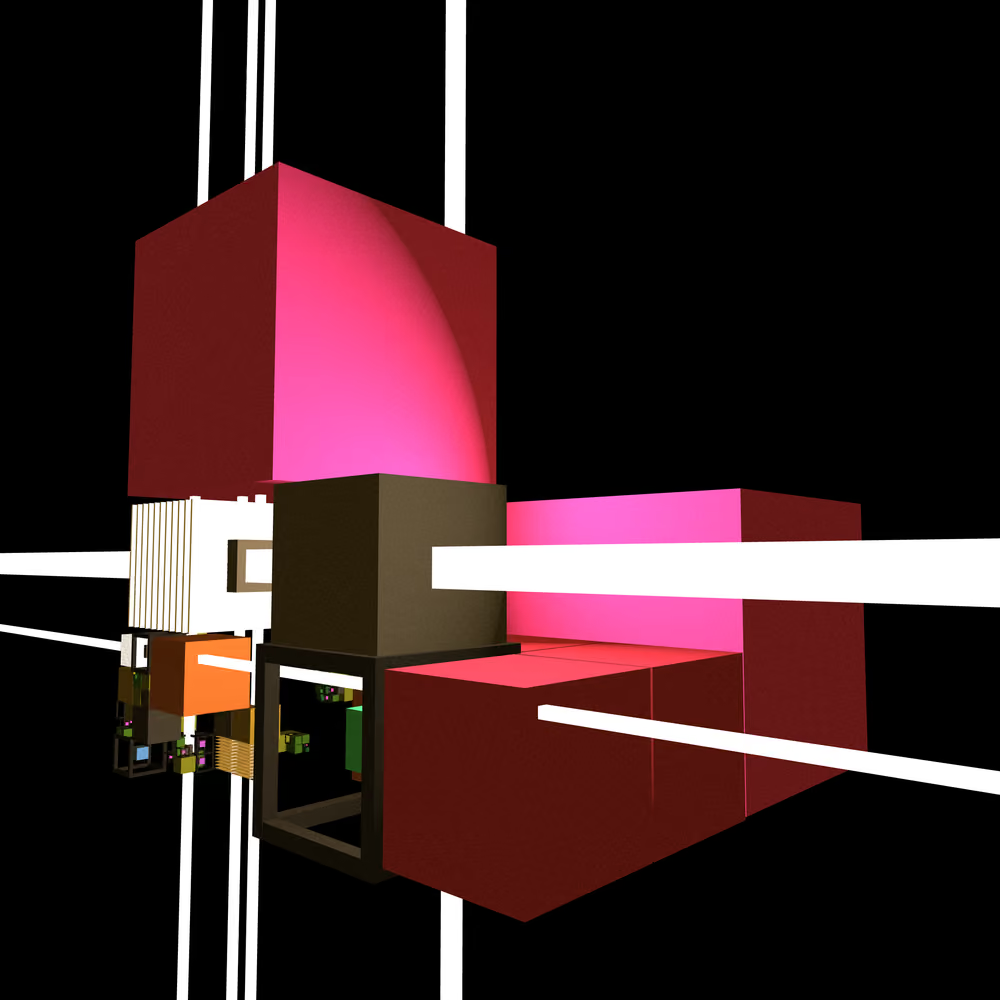
greweb (Gaëtan Renaudeau) has released nearly 1,400 plotter drawings and 110 shaders, as open source. Holders of his “Plottables” can order the physical plot. I had him on NFT Morning to talk about generative art platforms (in French, 2023). greweb.me
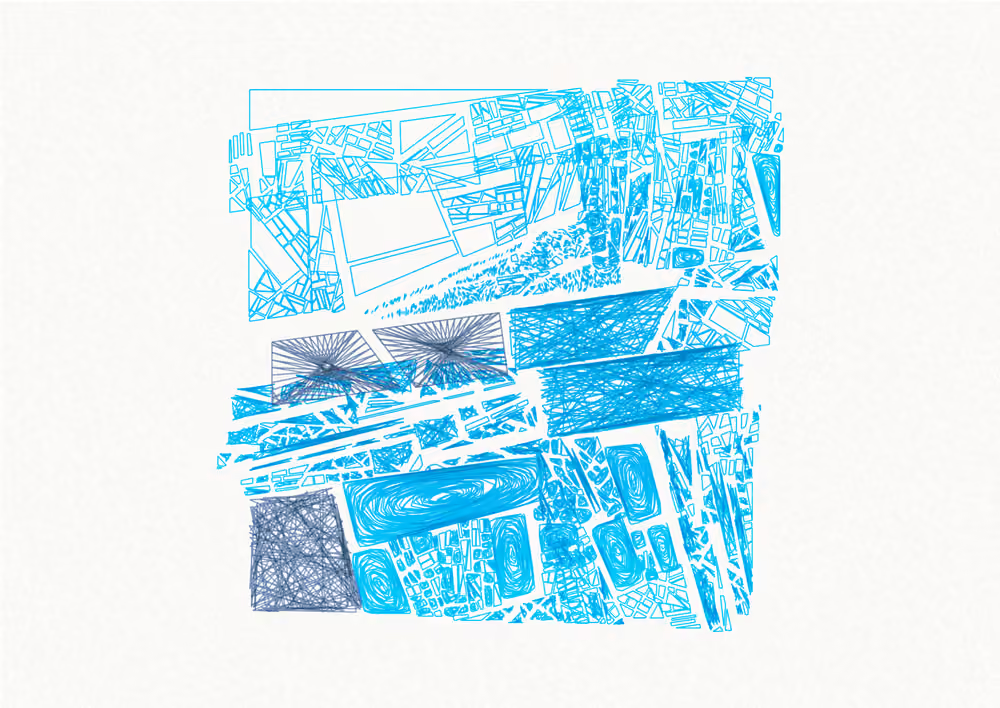
Ivan Murit writes algorithms inspired by morphogenesis and living forms. Solo show A Drop of Code at Galerie Data in 2023; residency at the Villa Medici in 2016. Artsper page
Jérôme Mercier (PIZZA PUNK) sums up his practice as “Art with code”: coded works since 2021, series on fxhash (including Polytone and E R E B U S), then in 2025 Quanta on EditArt and on-chain SVGs on bootloader. pizza-punk.com

Julien Espagnon made one animated generative shape a day throughout 2017. Then came FairyCells (fxhash, 2022) and Liminal (Bright Moments, 2023). I had him on NFT Morning for an episode on pen plotting (in French, 2023). Verse page
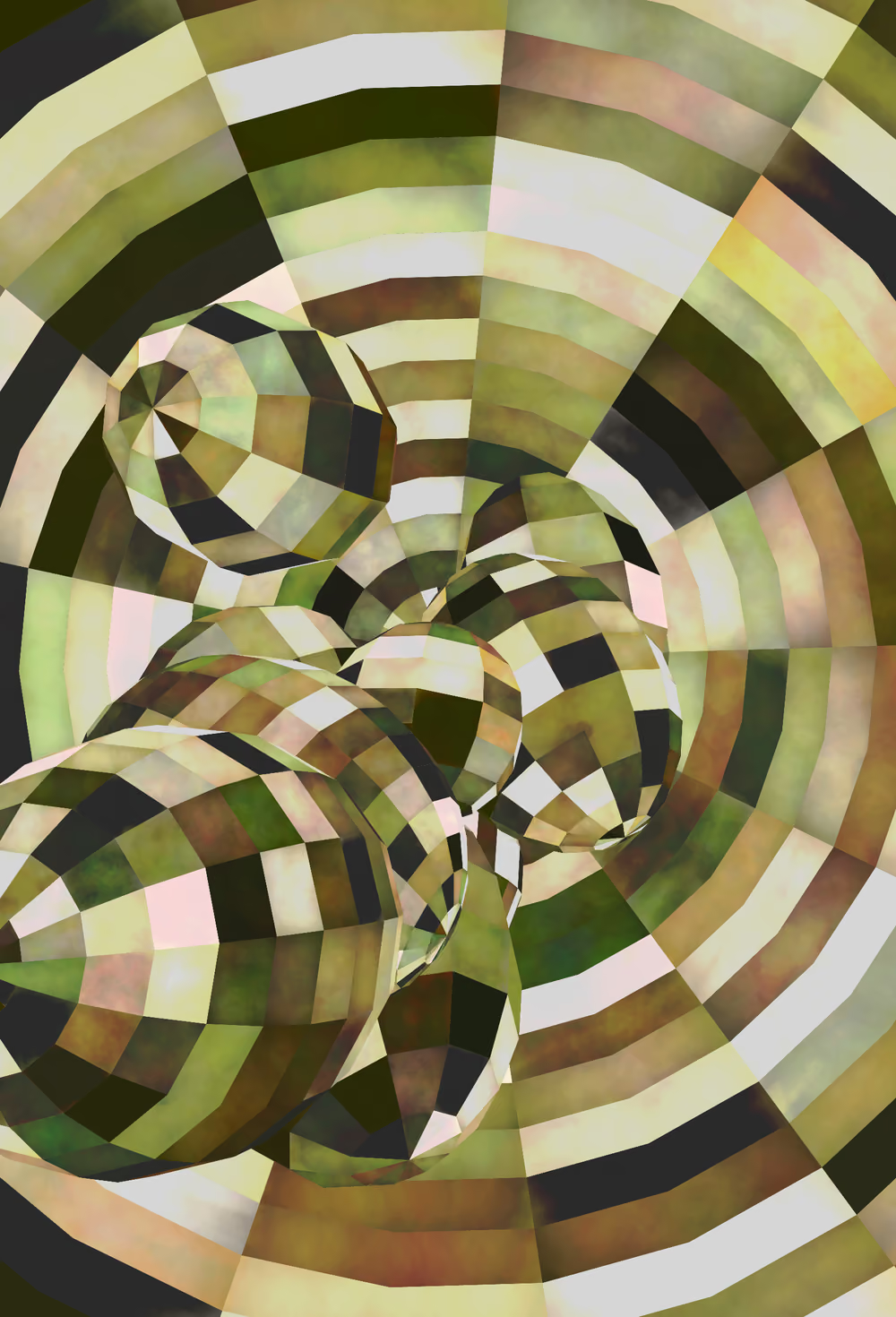
Julien Gachadoat (v3ga), who came from the demoscene, makes geometric abstractions with a pen plotter. Radiance came out on Art Blocks in 2021, and he showed Sinusoïdes with Pierre Braun at Galerie Data in 2024. I had him on NFT Morning twice (living as an artist, 2023; Bright Moments Paris, 2024; in French). v3ga.net
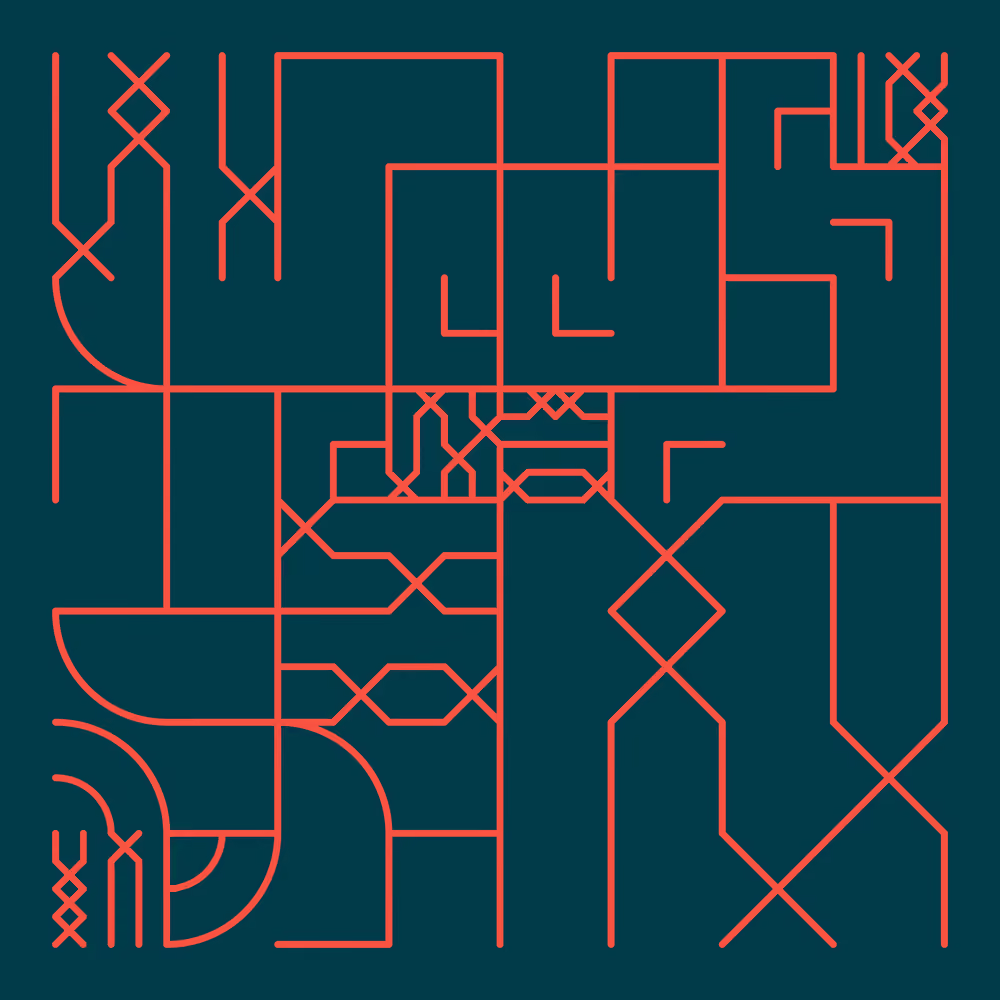
Julien Labat, a graphic designer and painter, released Bidonville on 256ART in 2022, born from a Genuary sketch, as well as series on fxhash. He also wrote one of the BRIDGE styles. I had him on the first episode of my generative art column on NFT Morning (in French, 2023). julienlabat.fr
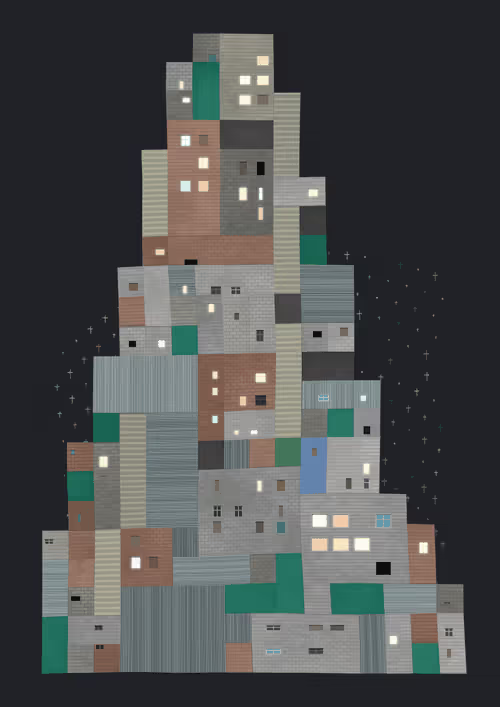
Julien Pradet has explored generative art since 2021. His two fxhash series, As Light As A Feather and Fêlure, came out in 2022. Portfolio

Laurent Houdard has published on fxhash since December 2021 (including Line of Fire and De fil blanc). MCRSN (2025), on bootloader, is a generative SVG stored fully on-chain. He also wrote one of the BRIDGE styles. I had him on NFT Morning to talk about the creative process (in French, 2023). laurent.houdard.net

Laurent Malys, in Nantes, practises open-source, DIY creative coding: p5.js, openFrameworks, electronic knitting, a harmonograph, algorave and more. laurent-malys.fr
Lionel Radisson (makio135) shares his code publicly on CodePen and Observable. Hōrō came out on Art Blocks in 2022. makio135.com
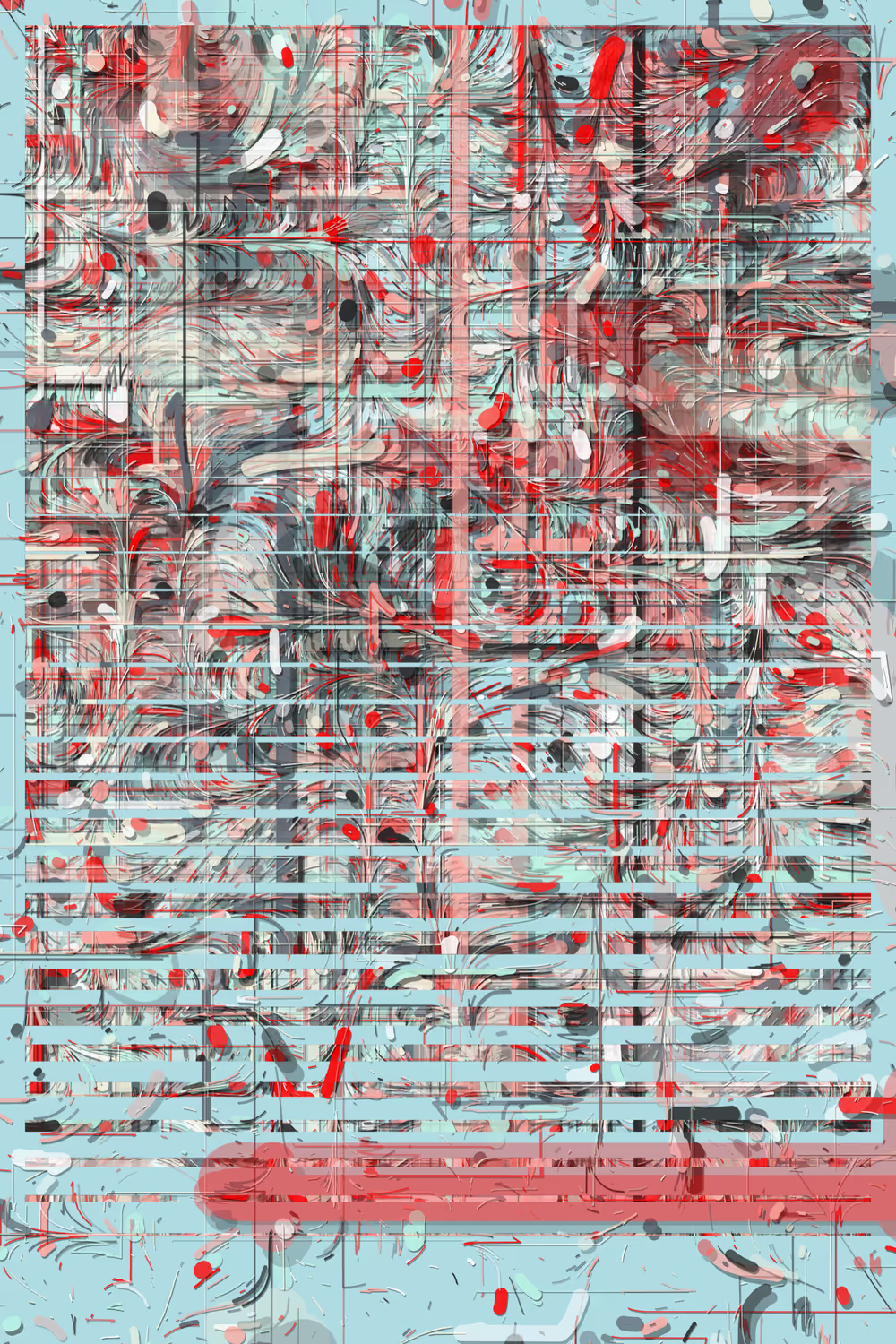
makio64 (David Ronai) builds interactive experiences with three.js and founded Three.js Conf in Paris; Matthieu Segret and I had him on the Human Coders podcast (in French). On the art side: Akuma (fxhash, 2022) and the Nara style in BRIDGE. makio.io

Mark Webster, who lives in France, works with typography using his own software tools, as in Hypertype (Art Blocks × Verse, 2022); concrete poetry inspires his Cosmic series on fxhash. mwebster.online
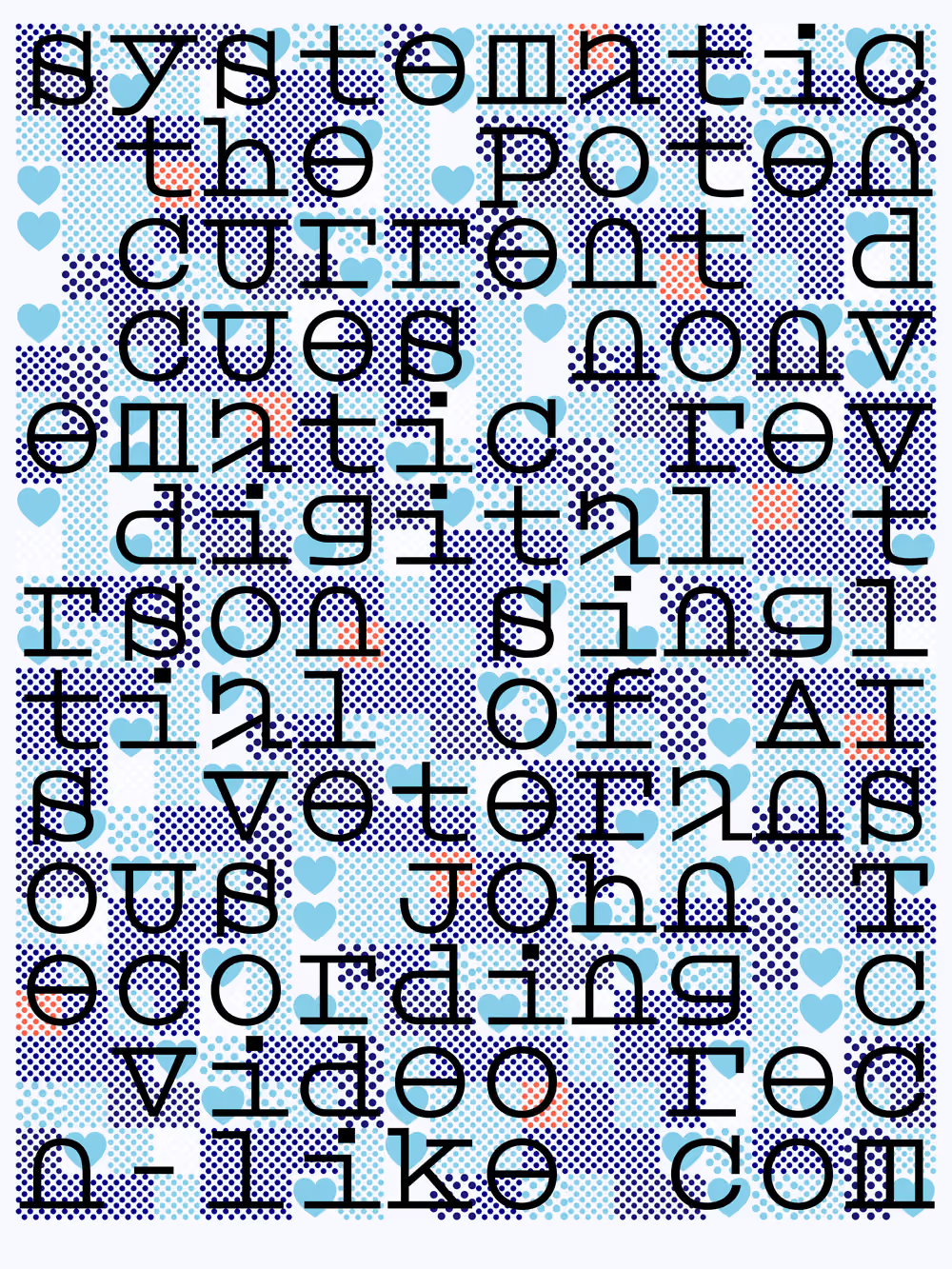
Matthieu Segret, a longtime friend, has published on fxhash since 2021. Together we made The Source (gm.studio, 2023) and The Destination (Bright Moments Paris, 2024). He also wrote the Rain under the stars style in BRIDGE, and I had him on NFT Morning when The Source came out (episode 533, in French). His work

The Source #3, gm.studio, 2023 · Camille Roux and Matthieu Segret
Nicolas Daniel works with colour and geometry, on screen and with a pen plotter. AlgoRhythms, made with Han, came out on Art Blocks Curated in 2021; in February 2024 he was Bright Moments’ Artist in Residence with System 1. nicolasdaniel.com
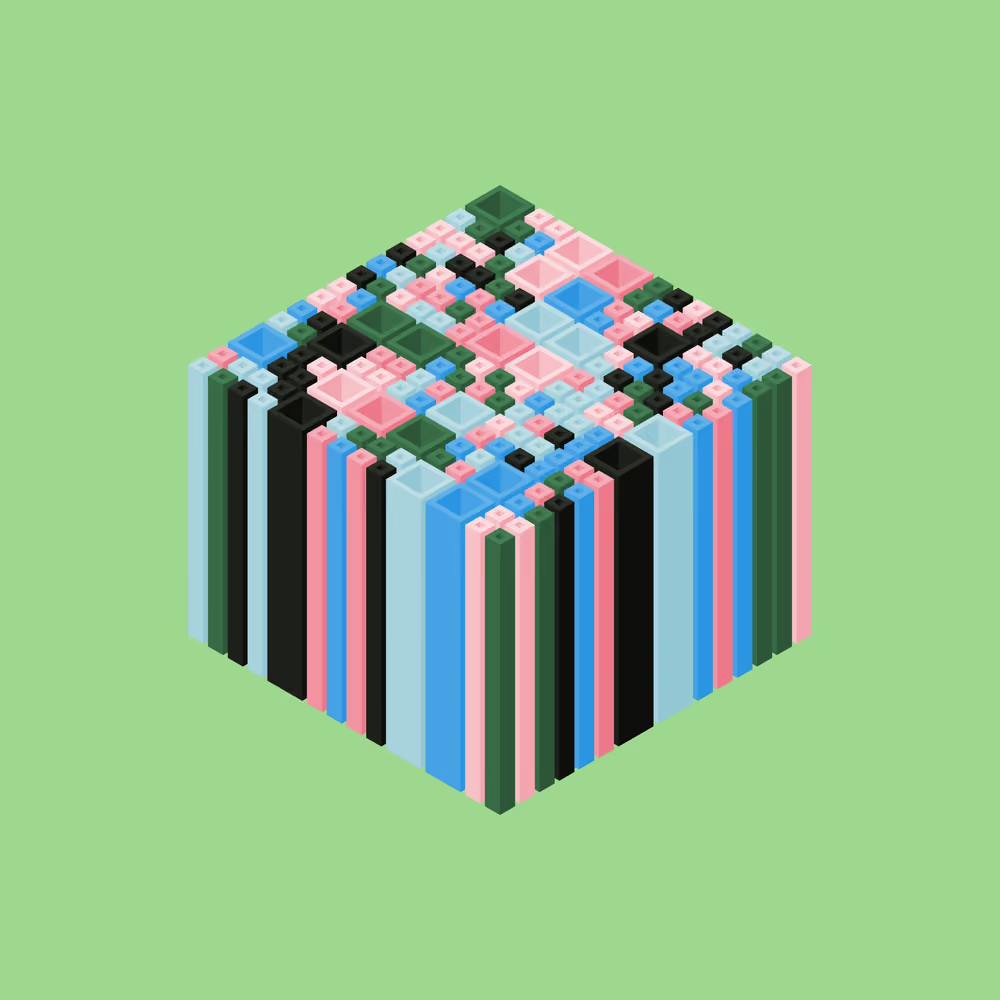
Nicolas Lebrun, from Montpellier like me, describes himself as an “Artist working mainly with code and sometimes by hand”: he builds series on strict protocols, often starting from a grid; eight series on fxhash in 2022, then Ecluse (2023), each edition of which he paints by hand. nicolas-lebrun.fr

Olivier Bodini, a computer science professor specialising in combinatorics, has shown during Art Basel Paris 2022, at Galerie Charlot and at Galerie Data, among others. On fxhash: FraKtuR (2023). His works on objkt

Olivier Mattia (0xma) is a self-taught algorithmic artist: long-form series on fxhash since 2022, including M.A.P. (2023); he showed at Generative Taipei (Hong-Gah Museum, 2023). Portfolio

Pierre Braun has made programmed drawings since 1981 and worked with Vera Molnár from 1984 to 1986. He has published several books, including Digital Klee (2020). pierre-braun.fr
Pierre Casadebaig draws with a statistical programming language. Dispyr (2021) renders the relief of the Pyrenees from elevation data; Verse showed plotted pieces from it in London in 2023. art.casadebaig.net
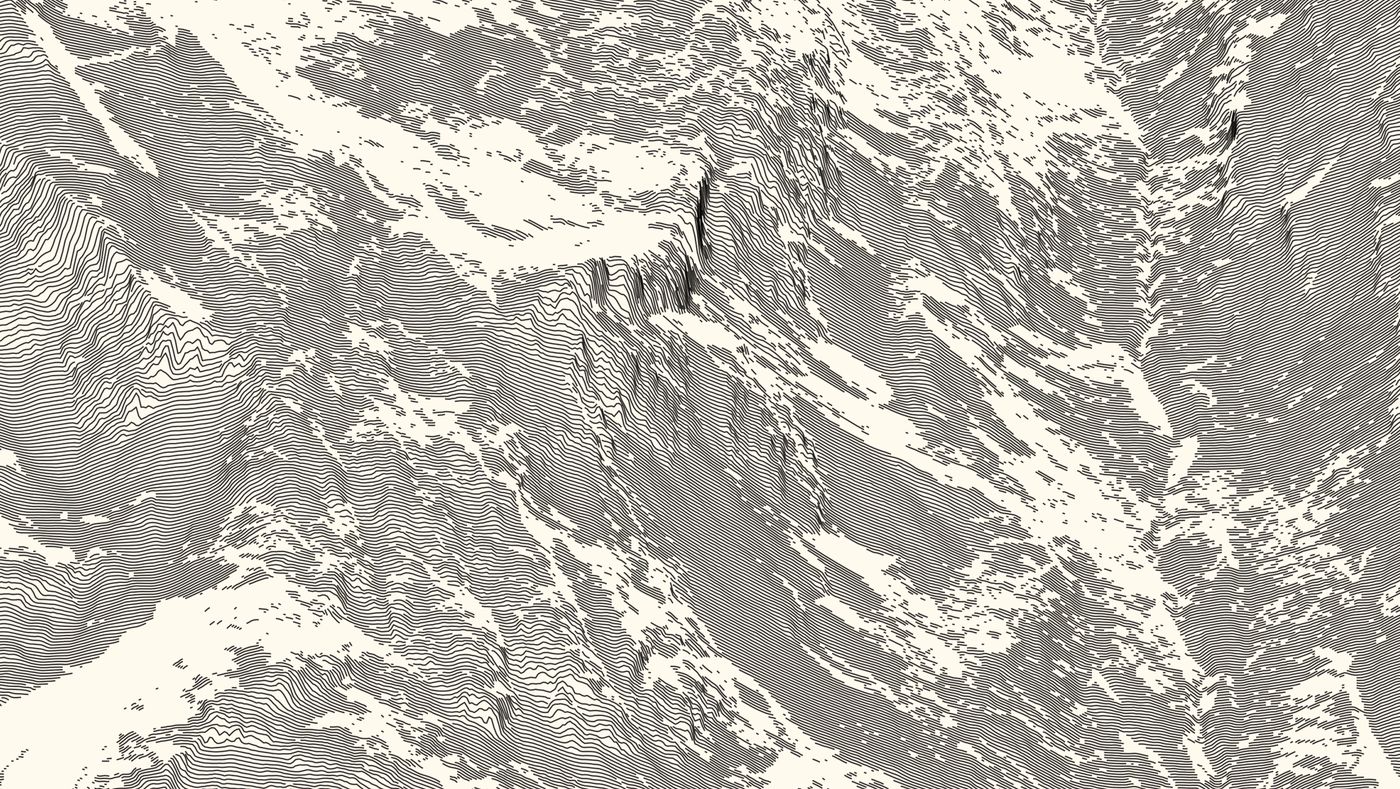
TARGZ describes his practice as “Pen plotter artist”: his own code, drawn with a custom-built plotter. The Hypothetical Motherboards came out on fxhash in 2022. I had him on NFT Morning for an episode on pen plotting (in French, 2023). shop.targz.fr

William Mapan sums up his practice as “Systems & paint”. He made Distance for LACMA and showed two series with Art Blocks at Art Basel in 2026. His project Anticyclone (Art Blocks, 2022) is one of the generative pieces that has stayed with me the most. william-mapan.com
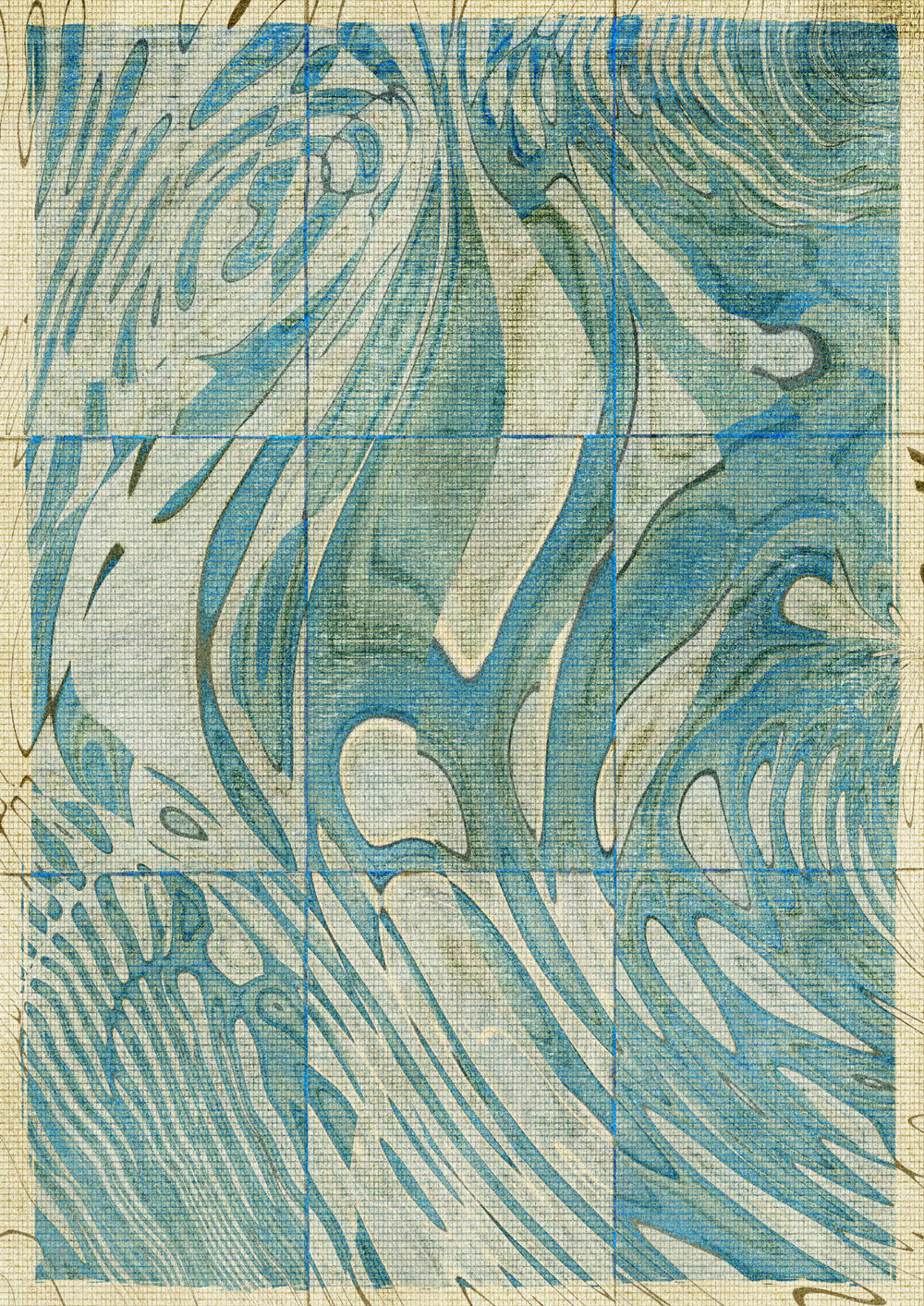
William Watkins, an “Algorithmic artist”, explores lines and noise: projects on fxhash from 2021, then Transition with VerticalCrypto on the Art Blocks engine (2023); in February 2024 he was Bright Moments’ Artist in Residence with Compression. On objkt
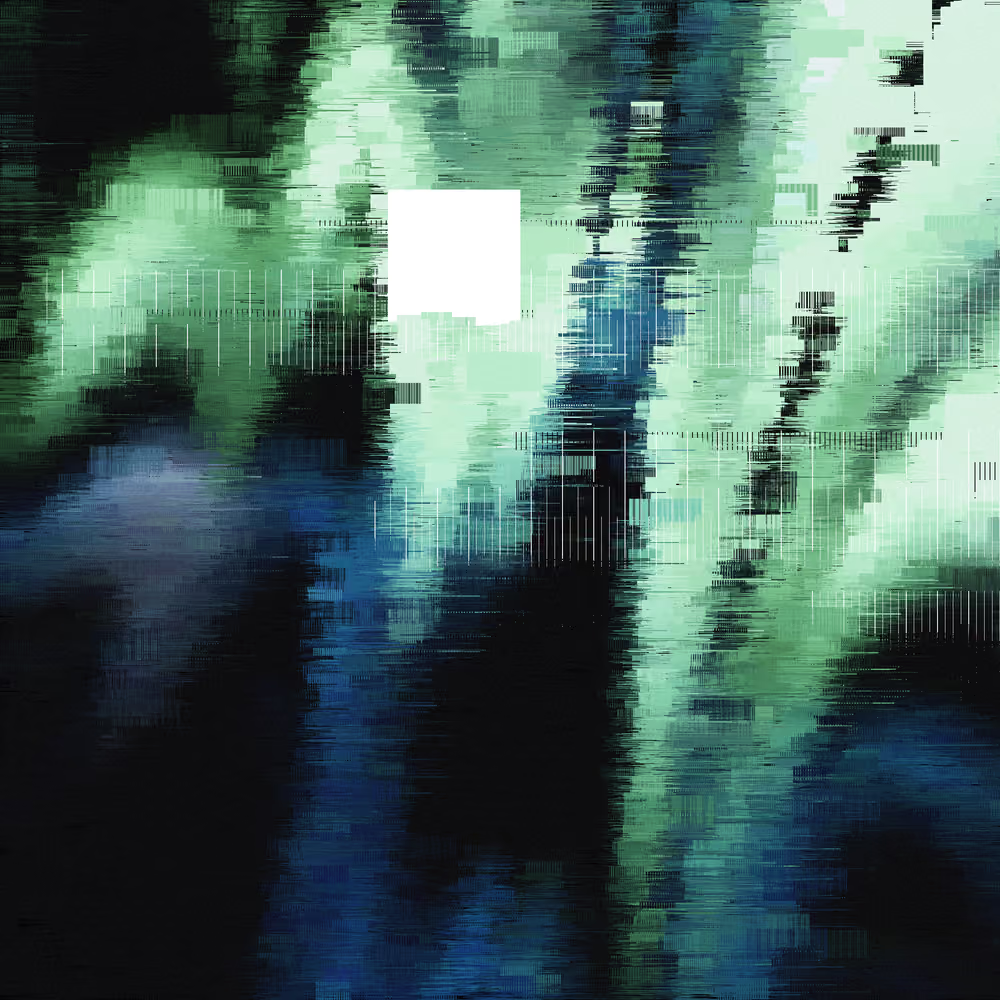
Zancan, a former oil painter, puts nature at the centre of his generative work, such as Garden, Monoliths (fxhash, 2021). His plotter drawings were shown at the Armory Show in 2022. zancan.art

And for those who don’t know me: I am Camille Roux, an algorithmic artist based in Montpellier. My algorithms turn mathematical and physical rules into organic forms, in series such as ARTERIA, INTRICADA and Résilience. I have exhibited in Venice, Paris, New York and London, among other places, and I make commissioned works.

Résilience, gm.scribe (Bitcoin), 2024 · Camille Roux
Other artists from France work from abroad, such as Raphaël de Courville, loackme or johan.
An ecosystem, not just artists
- Tezos, the blockchain that carried much of “affordable” generative art, was designed in 2014 by the Frenchman Arthur Breitman; much of its code is now developed in Paris, notably by Nomadic Labs (FrenchWeb).
- fxhash, the open platform where a whole generation published its first algorithms, was born in France in 2021; more than two thirds of the artists on this list have published there. It closed on 17 August 2026 (Right Click Save); the works stay on the blockchain and are collected on objkt.
- The Centre Pompidou brought eighteen NFTs by thirteen artists into its collection in 2023, including generative works such as Autoglyph #25: a first for a major French public museum (The Art Newspaper).
- Paris hosted, among others, NFT Paris (from 800 people in 2022 to about 20,000 in 2025), Kate Vass’s Node to Node (2023), Bright Moments Paris (2024) and Code+Matter (2025), a show of four generative artists (curated by Dominique Moulon and Grégoire Prangé) during the Némo biennial. Paris Photo has had a digital sector since 2023.
- Galleries have followed generative art, such as Galerie Data, now closed, as early as 2020 with the show GENERATIVE; Galerie Charlot, devoted to digital art since 2010, which showed Antoine Schmitt and Anne-Sarah Le Meur in 2026; and TRAME, which weaves tapestries from algorithms.
- Collective works: in 2022, I launched BRIDGE on fxhash, a bridge drawn in 26 styles by 25 artists, several of them on this list.
- Communities meet outside the platforms, such as the Cookie Collective in Paris, around real-time creation (demoscene, live coding); and the Montpellier generative art meetup, which I organise.
- In French, the show NFT Morning, daily in its early years, has covered the scene since 2021; I hosted its generative art column from April 2023 to January 2024.
The artists at a glance
| Artist | One work | Platforms, venues |
|---|---|---|
| 1Abstract | Decomposition | 256ART, fxhash, EditArt, Prohibition, Versum |
| Akira Ishi | The Ossuary (2026) | Bitcoin Ordinals, Base |
| Alexis André | 720 Minutes (2021) | Art Blocks, TRAME, Bright Moments, VerticalCrypto, … |
| Anne-Sarah Le Meur | Omni-Vermille (2020) | ZKM, Galerie Charlot, Vidéoformes |
| Antoine Schmitt | Nabaz’mob (2006) | Centre Pompidou, Galerie Charlot, Musée des Arts décoratifs |
| Antonio Werli | Chiaroscuro (2023) | fxhash, bootloader, objkt, Teia, … |
| Aqw_Zert | Atypical Lands (2022) | fxhash, Versum |
| Catherine B | Luz (2023) | fxhash, objkt, Teia |
| ciphrd | Genomes (2023) | fxhash, which he founded; Teia |
| Claire Malrieux | Climat Général (2017) | Collège des Bernardins, Hyperpavilion (Venice), Drawing Lab |
| DisruptedStar | Voyager (2023) | Art Blocks, fxhash, 8bidou, Versum |
| Etienne Jacob | looping GIFs | bleuje.com, Tumblr, Colossal |
| Ferdinand Dervieux | Inland Emotions (2022) | fxhash, Verse, Art Blocks Engine (Hodlers), Teia |
| Florian Zumbrunn | Tout tracé (2023) | Art Blocks, Bright Moments, Verse, fxhash, … |
| ge1doot | Ignition (2021) | Art Blocks, fxhash, Teia, CodePen |
| greweb | Shattered (2022) | Plottables, fxhash, Teia, Foundation, objkt |
| Ivan Murit | A Drop of Code (2023) | Galerie Data, Serpentine, Villa Medici |
| Jérôme Mercier | E R E B U S (2022) | fxhash, EditArt, bootloader, objkt, Teia |
| Julien Espagnon | Liminal (2023) | Bright Moments, Verse, fxhash, objkt, Teia |
| Julien Gachadoat | Radiance (2021) | Art Blocks, Plottables, Bright Moments, Verse, Galerie Data, … |
| Julien Labat | Bidonville (2022) | 256ART, fxhash, EditArt, Teia |
| Julien Pradet | As Light As A Feather (2022) | fxhash |
| Laurent Houdard | MCRSN (2025) | fxhash, bootloader, Layer, Galerie Data, Teia |
| Laurent Malys | harmonograph, algorave | workshops, MuséoMix Nantes, PifCamp |
| Lionel Radisson | Hōrō (2022) | Art Blocks, fxhash, VerticalCrypto, CodePen |
| makio64 | Akuma (2022) | fxhash |
| Mark Webster | Hypertype (2022) | Verse, Art Blocks × Verse, fxhash, objkt, … |
| Matthieu Segret | The Source (2023) | fxhash, gm.studio, Bright Moments |
| Nicolas Daniel | AlgoRhythms (2021) | Art Blocks, Bright Moments, fxhash, Galerie Data |
| Nicolas Lebrun | Ecluse (2023) | fxhash, EditArt, bootloader, Foundation, MO.CO., … |
| Olivier Bodini | FraKtuR (2023) | fxhash, objkt, Galerie Charlot, Galerie Data |
| Olivier Mattia | M.A.P. (2023) | fxhash, Hong-Gah Museum |
| Pierre Braun | Digital Klee (book, 2020) | Galerie Data, Université Rennes 2 |
| Pierre Casadebaig | Dispyr — Odysseys (2023) | Verse, objkt, Teia |
| TARGZ | The Hypothetical Motherboards (2022) | fxhash, Teia, objkt, shop.targz.fr |
| William Mapan | Anticyclone (2022) | Art Blocks, Verse, Bright Moments, fxhash, LACMA, … |
| William Watkins | Transition (2023) | fxhash, Art Blocks Engine (VerticalCrypto), Bright Moments |
| Zancan | Garden, Monoliths (2021) | fxhash, Verse, Bright Moments, objkt, Teia, … |
| Camille Roux (author of this article) | Résilience (2024) | gm.scribe, gm.studio, Bright Moments, fxhash, 256ART, … |
Frequently asked questions
What is generative art, or algorithmic art? A work produced by a system the artist designs: rules, often a program, and an element of chance. Each run gives a unique variation. The term covers Vera Molnár’s rule-based drawings in the 1960s as well as the series released today on Art Blocks or objkt. Unlike an image made by generative AI, the rules are written by the artist.
Who are the French generative and algorithmic artists? Among the pioneers: Vera Molnár, François Morellet, Pierre Barbaud. Today: the artists on this list, from 1Abstract to Zancan, and the author of this article, Camille Roux, based in Montpellier.
Where can I buy a generative artwork? On platforms (Art Blocks, Verse, objkt…) or directly from the artists. I also take commissions for bespoke works.
Some are missing, inevitably, and the list has too few women. If you make generative art in France, or think of someone who does, especially women or non-binary artists, write to me: this list is alive and I will update it.
Read also


Newsletter
The next texts, by email.
Day to day
Work in progress and shorter notes.
Keep going:the seriesother textscommissions